
Understanding the Core Principles of Traditional Chinese Medicine

Traditional Chinese Medicine (TCM) offers a unique and holistic approach to health and wellness. It invites us to look beyond symptoms and explore the deeper balance within our bodies and minds. As someone who has journeyed through various healing paths, I find TCM’s gentle wisdom both comforting and empowering. It encourages us to nurture ourselves with care and patience, guiding us toward lasting wellness.
In this post, I want to share with you the core principles of TCM, helping you understand how this ancient practice can support your health naturally and effectively. Whether you are curious about holistic health or seeking new ways to manage chronic conditions, these insights can open a door to a more balanced life.
Exploring the Core Principles of TCM
At the heart of Traditional Chinese Medicine lies a profound understanding of the body as an interconnected system. Unlike Western medicine, which often focuses on isolated symptoms, TCM views health as a harmonious flow of energy, or Qi, throughout the body. When this flow is smooth and balanced, we experience vitality and well-being. When it is blocked or deficient, illness can arise.
The core principles of TCM revolve around several key concepts:
Qi (Vital Energy): Qi is the life force that animates every cell and organ. It flows through pathways called meridians, connecting the body’s systems.
Yin and Yang: These are complementary forces representing balance. Yin is cool, passive, and nourishing, while Yang is warm, active, and stimulating. Health depends on their dynamic harmony.
The Organ Systems: TCM organ systems are more than physical organs; they include emotional and energetic functions.
Meridians: Channels through which Qi circulates, linking the body’s surface with internal organs.
Balance and Harmony: The ultimate goal is to restore and maintain balance within the body and between the body and environment.
Understanding these principles helps us appreciate how TCM diagnoses and treats illness by addressing root causes, not just symptoms.
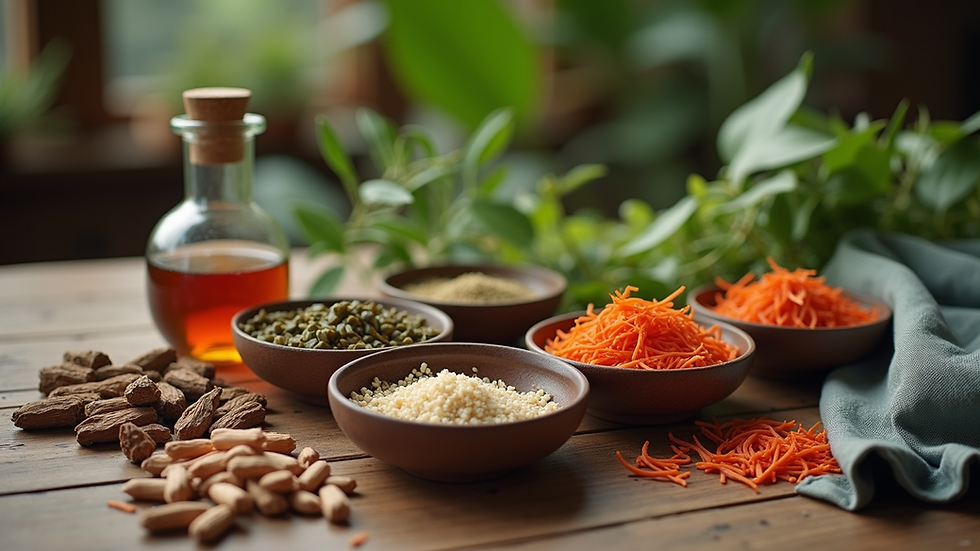
How Qi and Yin-Yang Shape Health
Qi is the foundation of life in TCM. Imagine it as a gentle river flowing through your body, nourishing every part. When Qi flows freely, you feel energetic and healthy. When it stagnates or weakens, discomfort and disease may follow.
Yin and Yang describe the natural rhythms and opposites in life. Think of Yin as the cool, restful night and Yang as the bright, active day. Both are essential and must be in balance. For example, too much Yang might cause inflammation or anxiety, while too much Yin could lead to fatigue or coldness.
In practice, TCM treatments aim to balance Yin and Yang and strengthen Qi. Acupuncture, herbal medicine, and lifestyle changes are tailored to your unique energy pattern. This personalized approach nurtures your body gently, encouraging it to heal itself.
What are the 5 elements of Chinese medicine?
The Five Elements - Wood, Fire, Earth, Metal, and Water - form another cornerstone of TCM. Each element corresponds to specific organs, emotions, seasons, and bodily functions. Understanding these connections helps practitioners diagnose imbalances and recommend treatments that restore harmony.
Wood: Linked to the liver and gallbladder, associated with growth and flexibility.
Fire: Connected to the heart and small intestine, representing warmth and joy.
Earth: Related to the spleen and stomach, symbolizing nourishment and stability.
Metal: Tied to the lungs and large intestine, reflecting structure and clarity.
Water: Associated with the kidneys and bladder, embodying fluidity and wisdom.
For example, if someone experiences irritability and digestive issues, a TCM practitioner might explore the Wood and Earth elements to find the root cause. By balancing these elements through diet, herbs, and acupuncture, the body can regain its natural rhythm.

Practical Ways to Embrace Traditional Chinese Medicine Principles
Integrating TCM into your daily life can feel both simple and profound. Here are some gentle steps to begin nurturing your health with these timeless principles:
Listen to Your Body: Pay attention to signs of imbalance like fatigue, mood swings, or digestive changes. These clues guide you toward what your body needs.
Eat Seasonally and Mindfully: Choose foods that support your body’s current state and the season. For example, warming soups in winter and cooling fruits in summer.
Practice Qi Gong or Tai Chi: These gentle movements help cultivate and balance Qi, promoting relaxation and vitality.
Consider Acupuncture or Herbal Medicine: Consult a qualified TCM practitioner to explore treatments tailored to your unique constitution.
Create Balance in Daily Life: Prioritize rest, manage stress, and cultivate emotional harmony through meditation or journaling.
By embracing these practices, you invite a nurturing rhythm into your life, supporting your body’s natural healing abilities.
The Gentle Power of Holistic Healing
Traditional Chinese Medicine offers more than just treatments - it offers a philosophy of care that honours the whole person. It reminds us that health is not merely the absence of illness but a vibrant state of balance and connection.
If you are seeking a path that treats the root causes of your health concerns, TCM can be a gentle guide. It encourages patience and self-compassion, helping you build resilience and wellness from within.
At High on Qi in Lennox Head, we blend this ancient wisdom with modern care to support your journey toward lasting health. Together, we can explore how these core principles can bring harmony and vitality back into your life.
I hope this introduction to the core principles of Traditional Chinese Medicine inspires you to explore this beautiful healing tradition. Remember, your body holds incredible wisdom, and with gentle guidance, it can find its way back to balance and health.
For more detailed insights, you can explore the traditional chinese medicine principles further and discover how this ancient knowledge continues to enrich lives today.


Comments