
Period pain isn't normal!

Did you know that period pain isn't normal, despite what people might tell you, you don't need to suffer. Period pain is often a result of stagnant blood and can be alleviated naturally with acupuncture and Chinese medicine, even stopping completely.
Period pain, also called dysmenorrhea, affects approximately 50-90% of women at some point in their lives. This discomfort can vary from mild irritation to severe pain, significantly impacting daily activities and overall well-being. While many people rely on over-the-counter medications such as ibuprofen for relief, alternative therapies like acupuncture and Chinese medicine have gained popularity for their holistic approach. In this blog post, we will explore how these ancient practices can effectively relieve period pain.
Understanding Period Pain
Period pain typically arises from uterine contractions, stimulated by hormonal substances called prostaglandins. Elevated levels of prostaglandins can lead to intense cramping, bloating, and other unpleasant symptoms. For some women, the pain is so severe that it results in missed work or school days.
Acupuncture and Chinese medicine provide a different perspective by focusing on correcting imbalances in the body rather than just masking the symptoms.
What is Acupuncture?
Acupuncture is a vital part of Traditional Chinese Medicine (TCM). It involves inserting thin needles into specific points on the body. This practice is based on the concept that energy, or "Qi," flows through pathways known as meridians. Blockages in this energy flow can lead to pain and illness.
By activating these acupuncture points, trained practitioners aim to restore balance and encourage the body's natural healing processes. Studies have shown that acupuncture can reduce period pain severity by 20-30% in many women and improve overall menstrual health.
How Acupuncture Helps with Period Pain
Acupuncture offers several benefits when it comes to alleviating period pain:
Pain Relief: Acupuncture promotes the release of endorphins, natural painkillers produced by the body. This often leads to a notable decrease in pain perception during menstruation.
Reduced Inflammation: Research indicates that acupuncture has anti-inflammatory effects. In fact, a study published in the Journal of Pain Research found that women who received acupuncture experienced a 30% reduction in inflammation markers associated with painful periods.
Hormonal Balance: Skilled practitioners can target specific points to regulate hormonal imbalances that contribute to menstrual pain, offering a more natural approach than hormone therapies.
Stress Reduction: Chronic stress can worsen period pain. Acupuncture promotes relaxation, helps manage stress levels, and can lead to a more comfortable menstrual experience.
The Role of Chinese Medicine
Chinese medicine comprises various practices, including herbal remedies and dietary therapy, focusing on restoring balance within the body.
Herbal Remedies
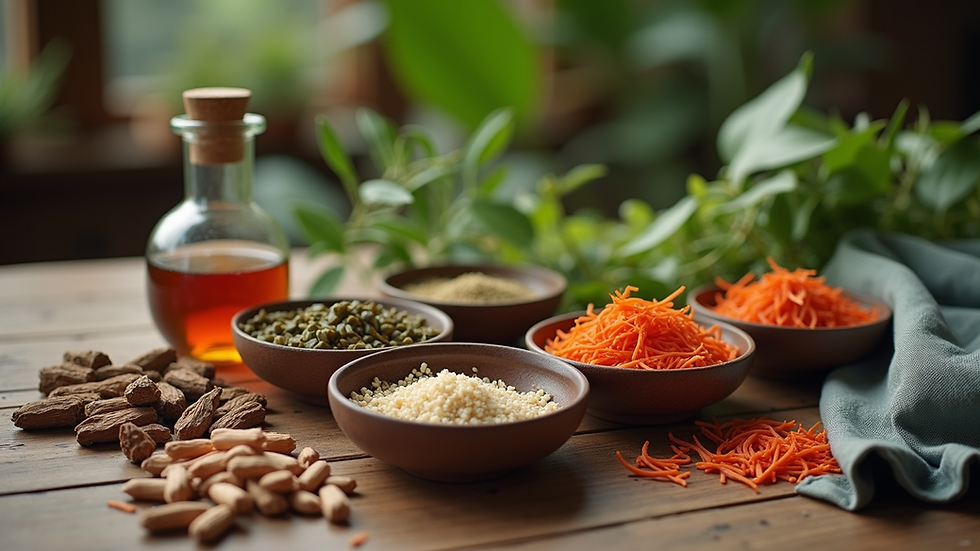
Herbal medicine is a cornerstone of TCM. Many herbs specifically target menstrual pain and aim to regulate the menstrual cycle. Noteworthy examples include:
Dong Quai: Often referred to as "female ginseng," it nourishes the blood and improves circulation, potentially reducing cramps and enhancing overall menstrual health. Studies suggest that 75% of women reported decreased pain after using this herb consistently.
Ginger: Known for its strong anti-inflammatory properties, ginger can help ease menstrual pain effectively. Research shows that consuming ginger can reduce menstrual discomfort by up to 50% in some individuals.
Chaste Tree Berry: This herb helps balance hormones and alleviate PMS symptoms, including cramps. One study indicated that 60% of women experienced less severe PMS-related cramps after using this herb.
Dietary Recommendations
In TCM, diet plays an essential role in managing period pain. Foods that are warming and nourishing, including soups, stews, and whole grains, are often recommended. Conversely, it is advised to avoid cold and raw foods, as they may contribute to further stagnation in the body.
Lifestyle Changes
Practitioners of TCM may suggest lifestyle changes for managing period pain. Regular exercise, mindfulness practices, and sufficient sleep can all contribute to a healthier menstrual cycle. One study revealed that women who engaged in regular physical activity experienced a 30% reduction in menstrual pain severity.
Combining Acupuncture and Chinese Medicine
Many women find that integrating acupuncture with Chinese medicine offers the best relief from period pain. This holistic approach addresses both the physical and emotional aspects of menstruation.
Personalised Treatment Plans
Every woman's experience with period pain is unique. A qualified TCM practitioner will conduct a thorough assessment to create a personalized treatment plan tailored to your specific needs. This plan may combine acupuncture sessions, targeted herbal remedies, dietary adjustments, and lifestyle recommendations.
What to Expect During Treatment
If you're considering acupuncture or Chinese medicine for period pain, it's helpful to know what to expect during your treatment.
Initial Consultation: Your practitioner will gather information about your medical history, menstrual cycle, and specific symptoms. This data aids in developing your tailored treatment plan.
Acupuncture Sessions: During treatments, you will lie down comfortably while the practitioner inserts needles into specific points. Most people report feeling minimal to no pain from the needles, with many even finding the experience relaxing.
Follow-Up: Regular follow-up sessions may be necessary to monitor your progress and refine your treatment plan as needed.
Final Thoughts
Period pain can be a challenging experience for many women, but acupuncture and Chinese medicine present effective alternatives to traditional pain relief methods. By targeting the root causes of discomfort and promoting overall balance within the body, these time-honored practices can provide meaningful relief from menstrual pain.
If you are facing challenges with period pain, consider exploring acupuncture and Chinese medicine as a holistic solution. Always consult with a qualified practitioner to determine the best treatment plan tailored to your individual needs.


Comments