
Exploring the Benefits of Chinese Medicine in Managing Perimenopause Symptoms


Perimenopause can be a challenging phase for many women, marked by significant hormonal shifts that lead to uncomfortable symptoms. As women approach menopause, common issues such as hot flashes, mood swings, and sleep disturbances become more prevalent. While conventional treatments provide options, many women are increasingly exploring alternative therapies, particularly Chinese medicine. This blog will draw from the benefits of Chinese medicine for managing perimenopausal symptoms and present a holistic approach to women's health.
DOWNLOAD my period tracker app for perimenopause advice
Understanding Perimenopause
Perimenopause is the transitional phase leading up to menopause, typically starting in women during their 40s, though some may begin experiencing symptoms in their late 30s. During this time, women's hormone levels fluctuate—particularly estrogen and progesterone—which can cause various physical and emotional symptoms. Research indicates that nearly 75% of women report experiencing hot flashes during this time, and mood changes affect around 50% of them.
Recognising these symptoms is vital for women to seek effective and supportive management strategies. Understanding what to expect can help in navigating the changes that come with perimenopause.
The Principles of Chinese Medicine
TCM conceptualises a woman’s health journey in seven-year cycles, each marking distinct changes in the body’s energy (Qi) and organ systems:
At 35 Years: Yang Ming channels begin to deplete, resulting in early signs of aging like fine wrinkles and thinning hair.
At 42 Years: The three Yang channels weaken further, amplifying hormonal imbalances and aging.
At 49 Years: The Ren and Chong channels are completely depleted, marking menopause.
Practitioners who study Chinese Medicine courses learn to interpret these cycles and tailor treatments to restore balance during each stage.
The Bao Mai and Reverse Puberty
A fascinating concept explored in TCM is the Bao Mai, a meridian connecting the heart and uterus. During puberty, energy flows from the heart to the uterus, signalling the start of menstruation. In perimenopause, this flow reverses, reflecting the body’s transition away from reproductive functions.
This reversal, often likened to “reverse puberty,” underscores the importance of balancing physical and emotional health during perimenopause. Symptoms such as mood swings, memory changes, and sleep disruptions often originate from neurological changes, not just hormonal shifts.
*adaptation from ANTA article
When it comes to perimenopause, Chinese medicine interprets symptoms as signs of internal imbalance. By addressing these underlying issues, practitioners work to restore harmony and alleviate discomfort, potentially offering relief from distressing symptoms.
Acupuncture for Symptom Relief
Acupuncture is among the most recognised therapies in Chinese medicine. It involves placing thin needles into specific body points to stimulate Qi flow and foster healing. Studies have suggested that acupuncture can effectively reduce hot flashes by 50-60%, enhance sleep quality, and ease mood swings in women facing perimenopausal challenges.
Women often report feelings of relaxation and rejuvenation following sessions. For those looking for alternatives alongside conventional treatments, acupuncture can be a powerful tool in managing perimenopausal symptoms.
Herbal Remedies
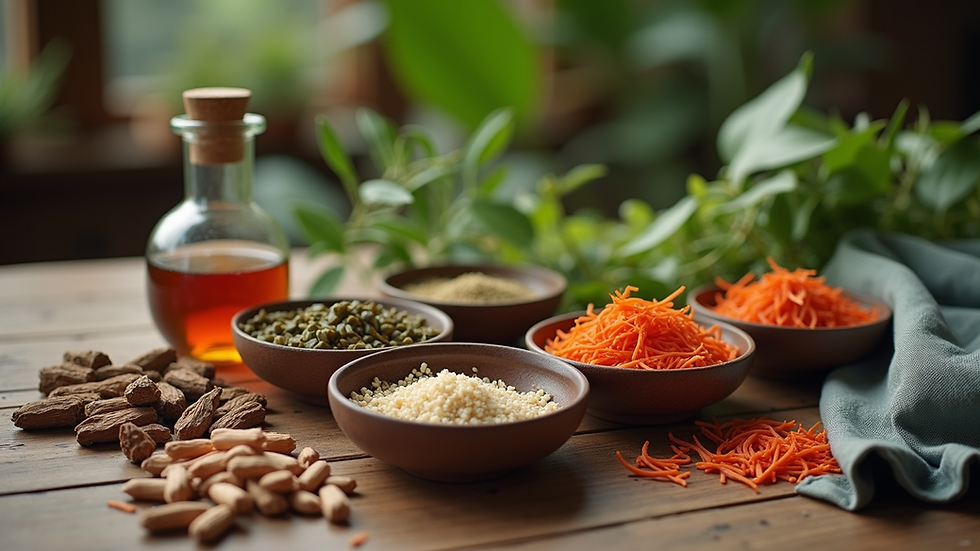
Herbal medicine plays a key role in Chinese therapeutic practices. Several herbs are specifically chosen to support women's health during perimenopause. Some widely used options include:
Dong Quai (Angelica sinensis): Known as "female ginseng," Dong Quai may help restore hormonal balance and address menstrual irregularities.
Black Cohosh (Cimicifuga racemosa): This herb is renowned for its ability to lessen hot flashes and improve mood. A study showed that 50% of women found relief from hot flashes after using Black Cohosh.
Ginseng (Panax ginseng): Ginseng can boost energy levels and combat fatigue, a common concern during perimenopause.
Licorice Root (Glycyrrhiza glabra): Licorice may help regulate hormones and support adrenal function.
It's crucial to consult a qualified herbalist before starting any new regimen, as they can tailor recommendations based on individual health needs.
Dietary Considerations
Diet is an essential part of Chinese medicine. A balanced diet can help manage hormones effectively and reduce perimenopausal symptoms. Here are some dietary strategies:
Whole foods are essential: Choose whole grains, fresh fruits, and vegetables to ensure you get vital nutrients. Yam's are a fantastic choice to regulate hormones.
Embrace healthy fats: Including sources like avocados, nuts, and seeds is important for hormone production.
Minimize processed foods: Cutting back on processed and sugary foods can help stabilize blood sugar levels and reduce mood fluctuations.
Hydration matters: Staying well-hydrated can help combat symptoms like dryness and contribute to overall well-being.
Qi Gong and Mind-Body Practices
Qi Gong combines gentle movements, deep breathing, and meditation to promote Qi flow and enhance well-being. Many women find that incorporating Qi Gong into their routines decreases stress, enhances mood, and improves physical health during perimenopause.
Additionally, participating in group classes can foster a sense of community, which is valuable as women navigate the ups and downs of this transitional period. The support of others can significantly improve the experience of managing symptoms.
The Role of Lifestyle Changes
Beyond therapies from Chinese medicine, lifestyle changes can also play a crucial role in managing perimenopausal symptoms. Regular exercise, effective stress management, and sufficient sleep form the foundation of a holistic health strategy.
Engaging in consistent physical activity can elevate mood, lower anxiety, and improve sleep quality. Activities like yoga, walking, or swimming can typically offer significant relief.
Techniques such as mindfulness meditation or deep breathing exercises are also beneficial for managing emotional struggles tied to perimenopause.
Finding Balance and Relief
Chinese medicine provides a comprehensive way to manage perimenopausal symptoms by emphasising balance and overall health. Through practices like acupuncture, herbal remedies, dietary changes, and mind-body exercises, women can find meaningful relief from the discomforts that come with this natural transition.
As with any health approach, consulting with a qualified practitioner is essential in developing a personalized plan that meets individual health needs. By embracing the principles of Chinese medicine, women can feel empowered to approach perimenopause with confidence and grace.
Incorporating these practices into daily life can lead to better health and a more positive perspective during this pivotal transition. Exploring the wisdom of Chinese medicine may just reveal the balance and serenity needed during the perimenopausal journey.

Comments